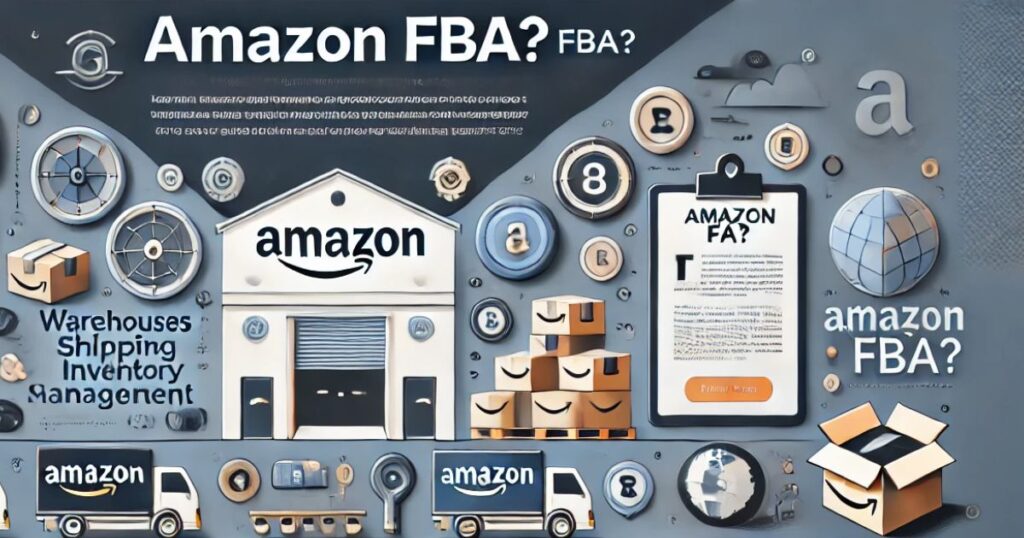
Amazon FBA, short for Fulfillment by Amazon, is a service provided by Amazon that allows sellers to outsource the entire fulfillment process. From storing inventory to packing, shipping, and processing customer returns, the FBA program allows sellers to focus on growing their businesses while Amazon takes care of logistics.
In this article, we’ll explore how Amazon FBA works, its benefits and challenges, and why it’s a popular fulfillment method for both small and large-scale businesses.
How Does Amazon FBA Work?
Amazon FBA simplifies e-commerce by managing the entire fulfillment process for its sellers. Here’s an overview:
Register as an Amazon Seller
Sellers must create an Amazon Seller Account account on Seller Central to enroll in the FBA program.
Send Inventory to Fulfillment Centers
Sellers ship their products to Amazon’s fulfillment centers, where the products are stored and organized by Amazon.
Order Fulfillment
When a customer places an order, Amazon’s fulfillment network takes over. Amazon personnel pick, pack, and ship the item to the customer.
Handle Customer Service and Returns
Amazon manages post-sale services, such as addressing inquiries and processing returns. This allows sellers to focus on scaling their business. If you’re having trouble with Amazon returns or other logistics, expert support can help.
Benefits of Amazon FBA
Amazon FBA offers numerous benefits to sellers, making it one of the most trusted fulfillment services available.
- Prime Access: Products in the FBA program qualify for Amazon Prime and Buy Box, ensuring greater exposure to Amazon customers and faster delivery for millions of subscribers.
- Higher Ranking: Sellers utilizing the FBA program get preferential treatment in the form of better ranking.
- Simplified Logistics: Sellers don’t need to manage storage, shipping, or customer service.
- Scalability: With Amazon handling the fulfillment process, sellers can grow their business without worrying about logistics.
- Multi-Channel Fulfillment (MCF): Amazon’s fulfillment network can be used to fulfill orders from other platforms, such as Shopify or eBay.
Costs Associated with Fulfillment by Amazon FBA
While the FBA program is convenient, sellers should understand the associated costs:
- Fulfillment Costs: These include picking, packing, and shipping items.
- Monthly Inventory Storage Fees: Sellers are charged for storing products in Amazon’s fulfillment centers, with costs varying based on size and season.
- Long-Term Storage Fees: Items stored for over 365 days incur additional fees.
Proper inventory management is crucial to minimize storage costs and maintain profitability. Check out tips on avoiding common issues in Amazon’s fulfillment process.
Challenges of Using Amazon FBA
Despite its advantages, FBA comes with challenges:
- Costs Add Up: High fulfillment costs and long-term storage fees can impact profit margins, especially for low-margin products.
- Inventory Management: Overstocking can lead to higher monthly inventory storage fees, while understocking may result in missed sales opportunities.
- Degraded Product Quality: Products that are stored in Amazon’s FBA facilities for an extended period of time can degrade or expire, which can result in inventory losses, customer complaints, and account suspensions.
- Account Suspensions: Violations of Amazon’s policies can result in suspension, disrupting your business. If this happens, consider filing an Amazon appeal with professional guidance.
Amazon FBA vs. Other Fulfillment Methods
Amazon FBA is often compared to Fulfillment by Merchant (FBM) or third-party fulfillment services. Here’s how it stands out:
- FBA Benefits: Sellers enjoy Amazon’s logistics expertise, faster shipping through Prime, better sales ranking, and outsourced customer service.
- FBM Advantages: Offers more control over shipping and lower costs for sellers with in-house logistics capabilities.
Amazon’s multi-channel fulfillment further enhances its value, allowing sellers to fulfill orders from other platforms.
Tips for Success as an FBA Seller
If you’re considering Amazon FBA, here are a few tips to maximize success:
- Optimize Listings: Use high-quality images and detailed descriptions to attract buyers.
- Track Inventory: Use inventory management tools to avoid stockouts or overstocking.
- Understand Fees: Familiarize yourself with fulfillment costs, monthly inventory storage fees, and long-term storage fees.
- Monitor Performance: Regularly review metrics in Seller Central to maintain good standing and avoid account issues.
Why Sellers Love Amazon FBA
Amazon FBA is a game-changer for e-commerce businesses. By outsourcing the fulfillment method to one of the world’s most advanced fulfillment networks, sellers can focus on building their brand, increasing sales, and scaling their operations.
If you’re an Amazon seller facing challenges with the FBA program, such as account suspensions or inventory issues, reach out to Amazon Suspension Lawyer for expert assistance. With the right guidance, you can navigate the complexities of the FBA program and achieve lasting success.
FAQs
What is Amazon FBA?
Amazon FBA (Fulfillment by Amazon) is a service that allows sellers to outsource the logistics of their e-commerce business. When you enroll in FBA, Amazon handles the entire fulfillment process, including storing inventory, packing and shipping orders, and managing customer service. Sellers send their products to Amazon fulfillment centers, and Amazon takes care of the rest.
What are the costs of Amazon FBA?
The FBA program involves several fees that sellers should be aware of:
- Fulfillment Costs: Charges for picking, packing, and shipping orders.
- Monthly Inventory Storage Fees: Fees for storing products in Amazon’s fulfillment centers, with higher charges during the holiday season.
- Long-Term Storage Fees: Applied to items stored for over 365 days.
Visit our guide on managing inventory and fulfillment costs for tips to maximize profitability.
What is Multi-Channel Fulfillment (MCF)?
Multi-Channel Fulfillment allows sellers to use Amazon’s fulfillment network to process orders from other e-commerce platforms, such as Shopify, eBay, or Etsy.
How does inventory management work in FBA?
Effective inventory management is key to success with Amazon FBA. Sellers must track their inventory levels through Seller Central to avoid running out of stock or incurring long-term storage fees for unsold products.
How does Amazon handle customer service for FBA sellers?
Amazon manages customer service on behalf of sellers, addressing inquiries, processing refunds, and handling returns. Learn how Amazon manages returns and buyer complaints effectively for FBA sellers.
What happens if my inventory isn’t selling?
If inventory doesn’t move, sellers may face long-term storage fees. To avoid this, consider promotions or discounts and review inventory management tips.
Can I switch from FBA to FBM?
Yes, sellers can switch between Fulfillment by Amazon (FBA) and Fulfillment by Merchant (FBM) at any time. FBA is ideal for sellers who want to outsource logistics and access Amazon Prime customers, while FBM works well for those who prefer to manage their own shipping and customer service. Switching fulfillment methods can be done through your Seller Central account, depending on what best suits your business needs.
Final Thoughts
If you’re an Amazon seller struggling with FBA-related issues, such as policy violations, account suspensions, or managing fees, professional assistance can make all the difference. At Amazon Suspension Lawyer, we specialize in helping sellers resolve issues like appeals, plan of action creation, and account reinstatement.
Don’t let logistical hurdles or suspension risks hold your business back. Contact us today to navigate the complexities of Amazon FBA and get your business on the path to success!